

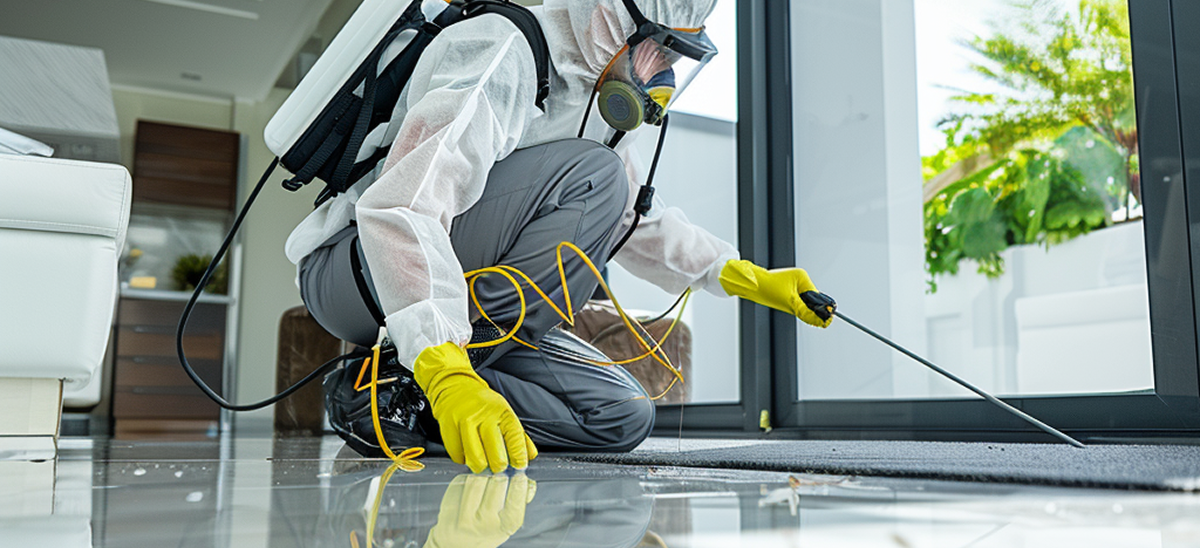
Pest infestations can quickly turn a comfortable home into a stressful environment. From termites damaging structures to rodents contaminating food, pests pose serious risks to your health and property.
By following a few simple pest prevention practices, homeowners can avoid costly treatments and maintain a clean, safe, and pest-free living space.
Pest prevention isn’t just about eliminating pests — it’s about stopping them before they enter your home through smart habits, regular inspections, and proactive care.
1. Seal Entry Points Around Your Home
Small cracks, gaps, and holes are easy entry points for pests. Inspect doors, windows, and walls regularly, and seal any openings using caulk or weather stripping.
2. Keep Your Kitchen Clean
Food crumbs and spills attract pests like ants and cockroaches. Clean surfaces daily, store food in airtight containers, and avoid leaving dirty dishes overnight.
3. Eliminate Standing Water
Mosquitoes and other pests breed in stagnant water. Check for leaks, clogged drains, or water accumulation in plant trays and outdoor areas.
4. Dispose of Garbage Properly
Overflowing trash bins attract rodents and insects. Use sealed bins and dispose of waste regularly to prevent infestations.
5. Maintain Your Yard & Garden
Overgrown plants and debris provide shelter for pests. Keep your lawn trimmed, remove dead leaves, and maintain proper drainage.
6. Store Firewood Away from Home
Firewood can harbor termites and insects. Store it at least 20 feet away from your home and keep it elevated off the ground.
7. Schedule Regular Pest Inspections
Professional inspections help detect early signs of infestations before they become serious problems.

Really helpful and practical advice—especially the prevention tips that are easy to implement daily. A great reminder that small habits can make a big difference in keeping pests away.
Such a clear and informative post! I appreciate how straightforward the tips are—perfect for homeowners who want simple yet effective pest control solutions.
Excellent read! The preventative approach outlined here is spot on. It’s far better to stop pests before they become a problem, and this guide makes it feel very manageable.